
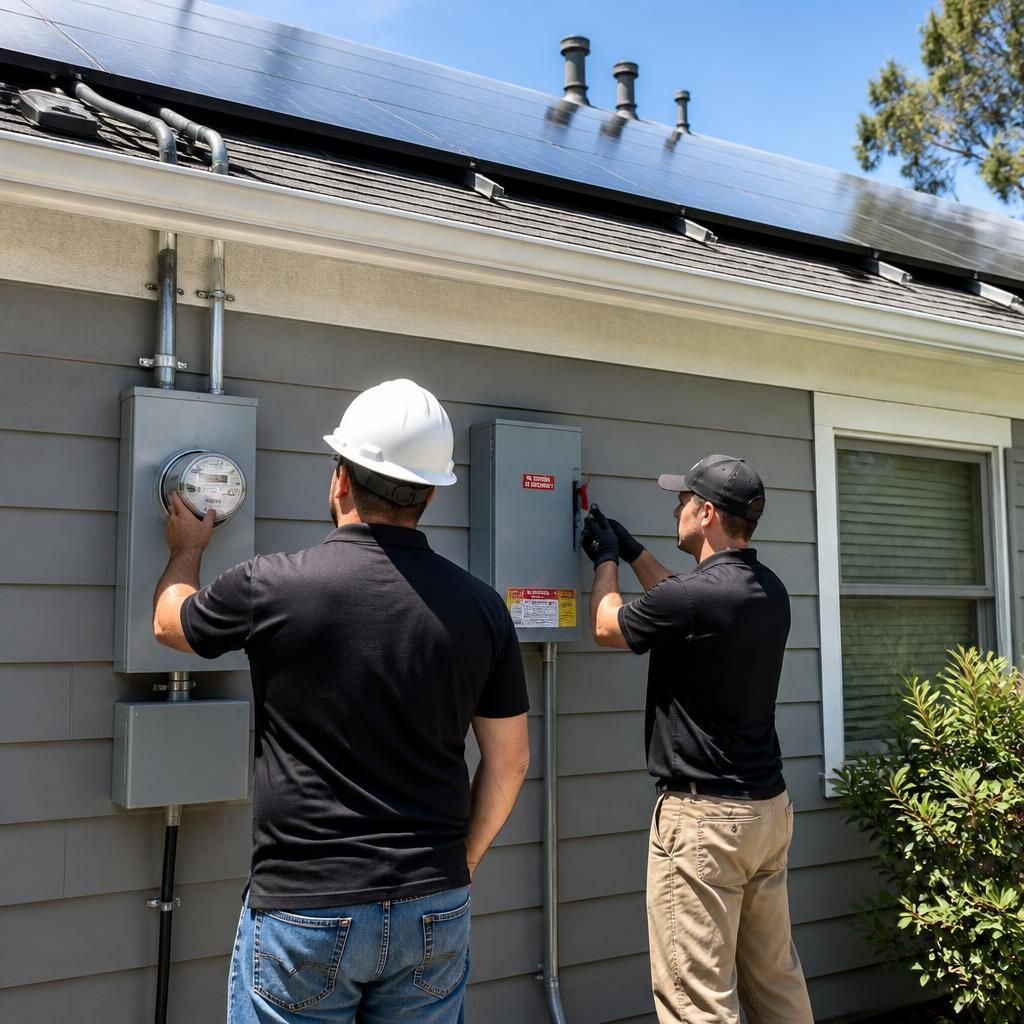
Solar panels and installation work best when planning comes first. However, many crews rush to the roof and fix problems later. That habit costs time, money, and customer trust. PTO Edge helps U.S. installers, EPCs, and developers prepare the design, engineering, and permit work behind every job. In this guide, you will learn how to plan, permit, build, and activate a system the right way.
Moreover, solar panels and installation involve more than hardware. They include site assessment, electrical design, structural review, permits, inspections, and utility approval. Therefore, a missing step in any stage can delay the entire project. Additionally, every U.S. jurisdiction sets its own rules. As a result, smart planning protects your schedule and your margins.
Want a smoother project from day one? Request a solar consultation and speak with our engineers about your next job.
Planning Your Project From Day One
Every project begins with a site assessment. First, the team collects roof measurements, photos, and electrical panel details. Next, engineers check shading, roof age, and available space. Meanwhile, the sales team confirms energy goals with the customer.
Good solar panels and installation planning rests on accurate data. For example, a wrong roof pitch changes the layout. Likewise, an undersized main panel changes the electrical design. Therefore, verify every measurement before drafting begins.
Federal guidance helps homeowners understand the basics. Readers can review federal homeowner solar guidance for a neutral overview. However, local rules still decide what you can build. Thus, always confirm requirements with the local building department.
Clear planning also sets expectations. Customers want to know timelines, costs, and equipment. Consequently, a detailed scope prevents disputes later. Well-planned solar panels and installation projects rarely need mid-job changes.
How Roof and Site Conditions Shape Design
Roofs differ widely. Asphalt shingle, tile, metal, and flat membrane roofs each need different attachments. In addition, roof age matters. A roof that needs replacement in three years should not hold a new array. Therefore, advise customers to fix the roof first.
Orientation drives production. In the Northern Hemisphere, south-facing arrays usually produce the most energy. However, east-west layouts can suit evening usage. Read our guide to the best solar panel direction before you finalize a layout.
Shade also reduces output. Trees, chimneys, and neighboring buildings cast moving shadows. Consequently, engineers run shading studies across the year. Then they place modules in the brightest zones. Skilled solar panels and installation teams also leave the fire setbacks and access paths that local codes require.
Finally, consider future changes. Trees grow, and neighbors build additions. Thus, plan for shade that may appear in five years. This foresight protects long-term customer satisfaction and keeps solar panels and installation projects profitable.
Choosing Equipment That Fits the Job
Equipment choices shape performance and approval. First, select modules that match the roof space and budget. Next, choose an inverter type. String inverters, microinverters, and power optimizers each fit different sites. For example, shaded roofs often benefit from module-level electronics.
Racking matters just as much. It must suit the roof type and the local wind and snow loads. Moreover, flashing and sealants protect the roof from leaks. Therefore, never mix parts that lack compatibility listings.
Listings also matter. Reviewers check that modules, inverters, and racking carry proper certifications. As a result, missing cut sheets trigger rejections. Consequently, strong solar panels and installation packages include current specification sheets for every component.
Technology moves fast. New module designs, smarter inverters, and better design software appear each year. Our overview of the latest solar engineering technology explains which changes matter for installers. Meanwhile, keep your crew trained on new products. Well-trained crews make solar panels and installation safer and faster.
Electrical Design and Code Rules
The electrical design ties everything together. Engineers size strings, conductors, breakers, and disconnects. They also follow rapid shutdown rules and interconnection limits. In addition, they confirm that the main panel can accept the new backfeed.
Each jurisdiction adopts a specific NEC edition. Therefore, engineers must check which version applies. Furthermore, local amendments can add extra rules. Our summary of solar plan set rules shows how requirements vary by region.
Clear drawings make review easier. The single-line diagram, site plan, and equipment schedule should match exactly. Our AHJ approved solar drawings follow these standards. Consequently, reviewers find fewer errors and issue fewer comments.
Labels also matter. Code requires placards at the panel, the disconnect, and the array. Indeed, inspectors often fail jobs for missing labels. Thus, complete solar panels and installation documentation lists every required sign.
Double-check calculations before submission. A small math error can cause a large delay. Because of this risk, experienced designers review every sheet twice. That habit supports reliable solar panels and installation results.
Structural Checks Before Mounting
A roof must support the array for decades. Wind, snow, and seismic loads all apply. Therefore, engineers check rafter size, spacing, and attachment points. Some jurisdictions require a stamped letter as proof.
A licensed engineer performs this review and seals the documents. This step shows that a qualified professional takes responsibility. Our solar engineering review stamps cover structural and electrical checks. Moreover, stamped documents often speed up plan review.
Not every job needs a stamp. However, high-wind coastal areas and heavy-snow regions often do. Likewise, older roofs may trigger extra scrutiny. Consequently, confirm the requirement before you submit. Good solar panels and installation planning identifies this need early.
Permits: The Step Crews Often Underestimate
Permits protect homeowners and installers. They confirm that a qualified reviewer checked the design. Without a permit, owners risk fines and forced removal. Therefore, never start work before approval.
The process follows clear steps. First, prepare the drawings and forms. Next, submit them to the building department. Then respond to any comments. Finally, receive the permit and schedule the inspection. Our walkthrough of solar panel permit steps explains each stage in detail.
Paperwork must be complete. Reviewers reject files with missing pages. Use our solar permit paperwork checklist to confirm every item before you submit. In addition, our jurisdiction matched permit packages align forms with local rules.
Local differences are large. Florida adds hurricane provisions and county variations. Read about solar permits in Florida for real examples. California counties also add their own checklists, as our page on LA County solar permits shows.
Timing also matters. Busy seasons slow reviews. Because of this, many companies seek solar permit expediting help. Fast, accurate permits keep solar panels and installation schedules on track. Moreover, steady permit flow lets crews plan labor weeks ahead. Therefore, strong permit management improves solar panels and installation profit as well.
Installation Day, Step by Step
Installation day should feel routine. The crew reviews the approved plans before anyone climbs the roof. Then they confirm that materials match the drawings. Safety comes first. Fall protection, ladders, and lockout procedures protect every worker.
Crews usually follow a set order. First, they locate rafters and mark attachment points. Next, they install flashing and racking. Then they mount modules and run conductors. After that, they install the inverter, disconnects, and labels. Finally, they test the system before calling for inspection.
Quality control matters at each step. For example, torque specs on racking hardware protect against loosening. Likewise, proper wire management prevents damage over time. Consequently, photo documentation of each step helps with inspections and warranty claims.
Drawings must match the build. If the crew changes string counts or equipment, the plans need a revision. Otherwise, the inspector may fail the job. Therefore, train installers to report field changes right away. Disciplined solar panels and installation crews avoid this common trap.
Customers also appreciate communication. Tell them when crews arrive, how long work takes, and what to expect. As a result, fewer questions interrupt the crew. Professional solar panels and installation service builds referrals.
Inspection and Utility Approval
Inspection confirms that the build matches the plans. The inspector checks wiring, grounding, labels, and structural attachments. Moreover, some jurisdictions require separate electrical and building inspections. Therefore, schedule early and keep plans on site.
Passing inspection does not mean the system can run. The utility must also grant approval. The utility reviews the interconnection file and confirms net metering. Errors here delay activation by weeks. Our service for utility approval for solar submits these files correctly the first time.
Homeowners want power quickly. However, they must wait for written permission. Thus, set clear expectations at the contract stage. Explain that inspection and utility review follow installation. This honesty prevents frustration. Reliable solar panels and installation providers also track each submission until approval arrives.
Good tracking tools help. A shared dashboard shows permit status, inspection dates, and utility steps. As a result, project managers spot delays early. Teams can then call reviewers before small issues grow.
Battery Storage and Add-On Planning
Battery storage is now common. Homeowners want backup power during outages. Businesses want lower demand charges. Therefore, many quotes now include storage. However, batteries add design and permit work.
Storage needs its own rules. Fire codes set placement and clearance limits. Moreover, the electrical design must include backup panels and disconnects. Utilities may also request extra forms for systems that export power. Our utility interconnection submission support covers these cases. Consequently, plan storage during the first design pass.
AC-coupled and DC-coupled systems differ. Each changes the diagram and the equipment list. Thus, choose the architecture before drafting begins. Complete solar panels and installation proposals explain these options in plain language.
Plan for add-ons too. Customers may want an EV charger later. Therefore, reserve breaker space and size conductors with growth in mind. That small step costs little now. Meanwhile, it saves a costly rebuild later. Forward-looking solar panels and installation designs keep customers happy for years.
Also keep service records. Save approved plans, equipment manuals, and warranty details. Consequently, future service calls take less time.
Residential, Commercial, and Ground-Mount Differences
Residential projects usually involve one roof and a single meter. Consequently, the process moves quickly when the paperwork is clean. However, homeowner association rules, older electrical panels, and roof condition can add steps. Therefore, check these items during the first call.
Commercial projects work differently. Roofs are larger, and structural loads need careful study. Moreover, three-phase service requires detailed electrical drawings. Fire department access and emergency disconnects also matter. Because of the higher cost, errors hurt more. Commercial solar panels and installation projects often need licensed engineer signoff support and longer utility reviews.
Ground-mount systems add soil studies, foundation design, and trenching plans. Thus, allow extra planning time. Meanwhile, coordinate with civil requirements early. Regardless of size, every solar panels and installation project benefits from clean documentation and clear scheduling.
Common Mistakes That Delay Jobs
Certain mistakes appear again and again. Knowing them helps you avoid them.
- Skipping the site survey and trusting satellite images alone
- Submitting plans with mismatched equipment counts
- Ignoring local fire setback rules
- Forgetting labels and placards
- Changing equipment without updating drawings
- Requesting utility approval before the inspection closes
Each mistake looks small. However, each can add days or weeks. For example, an inverter model that differs from the approved plans fails inspection. Therefore, compare delivered equipment with the approved plans before mounting starts. Review the NEC and AHJ requirements for each job as well. Teams that manage solar panels and installation with checklists avoid most of these errors.
Communication gaps cause trouble too. Sales promises one thing, design builds another, and crews install a third. Consequently, hold a short handoff meeting for every project. Review scope, equipment, and special site conditions. This habit keeps solar panels and installation work aligned from contract to activation.
Proposals and Workflows That Save Time
Sales and design should agree. A proposal that shows one system while the permit shows another confuses customers. Then trust drops. However, connected data prevents this gap.
Strong proposals show production estimates, costs, and savings. They also explain equipment and warranties. Our solar proposals that close use site data that later feeds the drawings. As a result, the design matches what the customer bought. Moreover, accurate quotes protect your margins.
Workflow matters too. Each time teams re-enter data, errors creep in. A single platform removes that risk. Our combined design permitting platform keeps proposals, plans, and permits in one place. Consequently, managers see every project without chasing email.
Clear proposals also help customers compare offers. Show the system size, equipment brands, and expected output. Then explain incentives without promising amounts. Incentive rules change often, so advise customers to confirm current programs. Honest communication strengthens solar panels and installation sales over time.
Follow-up matters as well. Send a summary after each call. Then share a timeline with milestones. Customers who understand the process sign faster. Therefore, invest in clear communication early. Better communication makes solar panels and installation smoother for everyone.
Costs, Timelines, and Quality Control
Costs vary by region, roof type, and equipment. However, hidden rework drives many overruns. A rejected permit costs days. A failed inspection costs a second crew visit. Therefore, invest in accuracy early.
Many installers weigh hiring designers against outsourcing. In-house staff give control. Outsourcing gives flexibility during busy months. Our page on outsourced solar engineering benefits compares both models. Additionally, a hybrid approach works well for growing companies.
Track key numbers. First-pass permit approval rate shows design quality. Days to permit shows process speed. Inspection pass rate shows build quality. Meanwhile, customer reviews show service quality. Consequently, these metrics guide improvements.
Training also pays off. Regular toolbox talks and code updates reduce errors. Moreover, checklists keep crews consistent. Strong habits make solar panels and installation more predictable.
Choosing the Right Partner
Choosing a partner affects every project. Look for licensed engineers who stamp in your states. Ask about AHJ experience and utility knowledge. Request sample packages and references. Moreover, confirm turnaround times and revision policies.
Consider one team for the full workflow. PTO Edge handles proposals, plan sets, engineering review, permits, and utility submissions for U.S. projects. Therefore, installers deal with one accountable contact instead of several vendors. That structure reduces handoffs and errors.
Transparency builds trust. Good partners explain their process and share status updates. They also admit limits. For example, no partner controls local review times. However, a good partner prepares files that move quickly.
Experience counts too. Ask how long the team has worked with U.S. jurisdictions. Ask which states they serve. Then compare answers against your territory. Strong partners support solar panels and installation growth in every market you serve.
In summary, successful solar panels and installation depend on planning, accuracy, and clear communication. Every stage connects to the next. Therefore, fix problems early and document everything. Over time, these habits raise approval rates, cut rework, and increase monthly installs. Better solar panels and installation processes also earn stronger reviews and referrals.
Ready to move projects faster? PTO Edge can review your next job and prepare the documents your AHJ expects. Send your project details and get expert support from proposal to utility approval.
Frequently Asked Questions
1. What does a solar plan set include?
A plan set includes the site plan, roof layout, single-line diagram, equipment schedules, labels, and structural details. Reviewers use these sheets to confirm code compliance.
2. Do I need a PE stamp for every project?
No. Requirements vary by jurisdiction and project type. Many AHJs ask for one on structural or electrical reviews. Confirm the rule before you submit.
3. How long does solar permitting take?
Timelines vary by jurisdiction. Some offices approve within days. Others take several weeks. Complete, accurate packages usually move faster.
4. What is Permission to Operate?
Permission to Operate, or PTO, is the utility's approval to switch on your system. Utilities grant it after they review the interconnection file and inspection results.
5. Can one partner handle the full workflow?
Yes. One partner can manage proposals, plan sets, engineering review, permits, and utility submissions. This approach reduces handoffs and supports smoother solar panels and installation projects.